

Skill Development Can No Longer Be Centralised
For years, skill development in India has depended on cities, institutions, and short term training centres. Access required relocation. Progress required migration. Talent from villages was forced to move elsewhere to become employable. This model excluded scale, continuity, and equity.
From April 1, Talrop is reversing this structure by taking skill development to the grassroots and building it as permanent infrastructure inside communities.
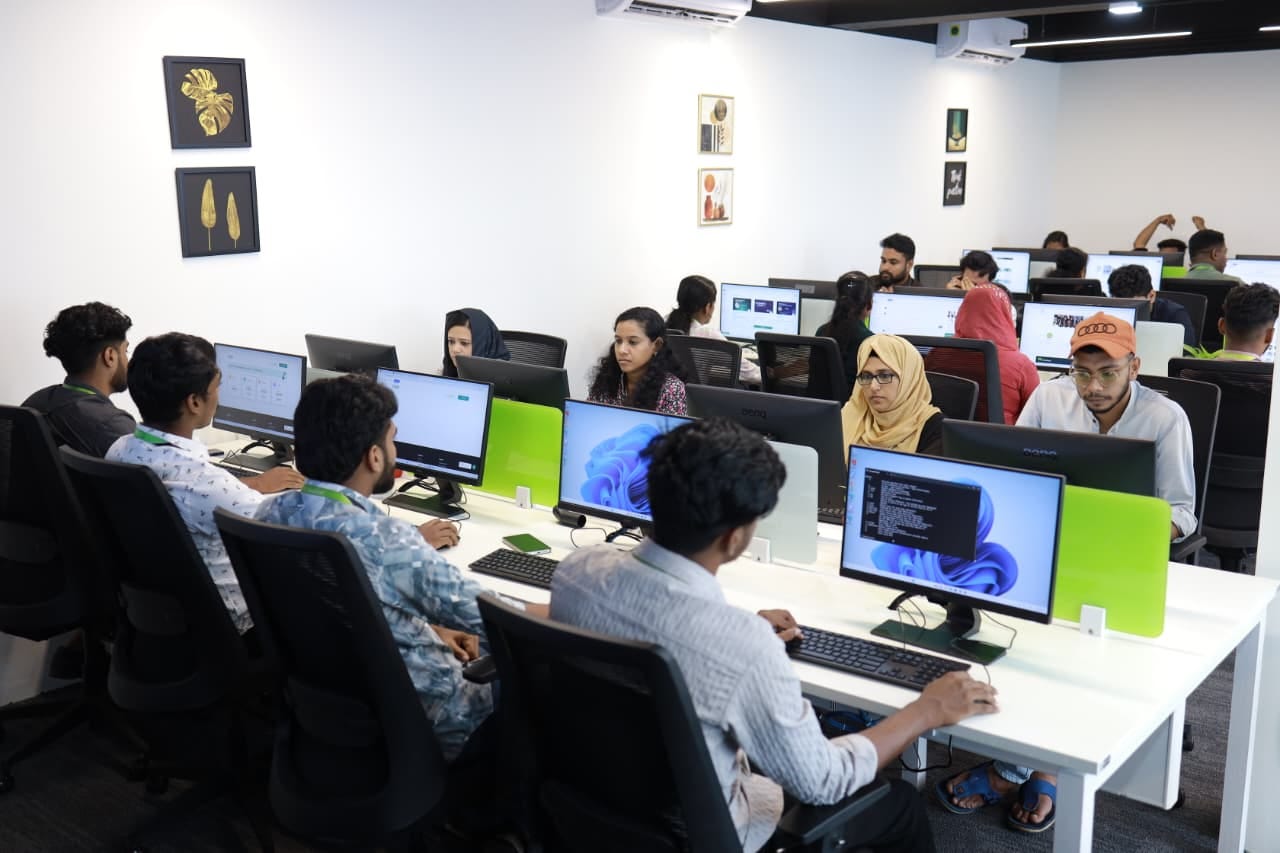
100 Village Parks Transformed Into Skill Development Hubs
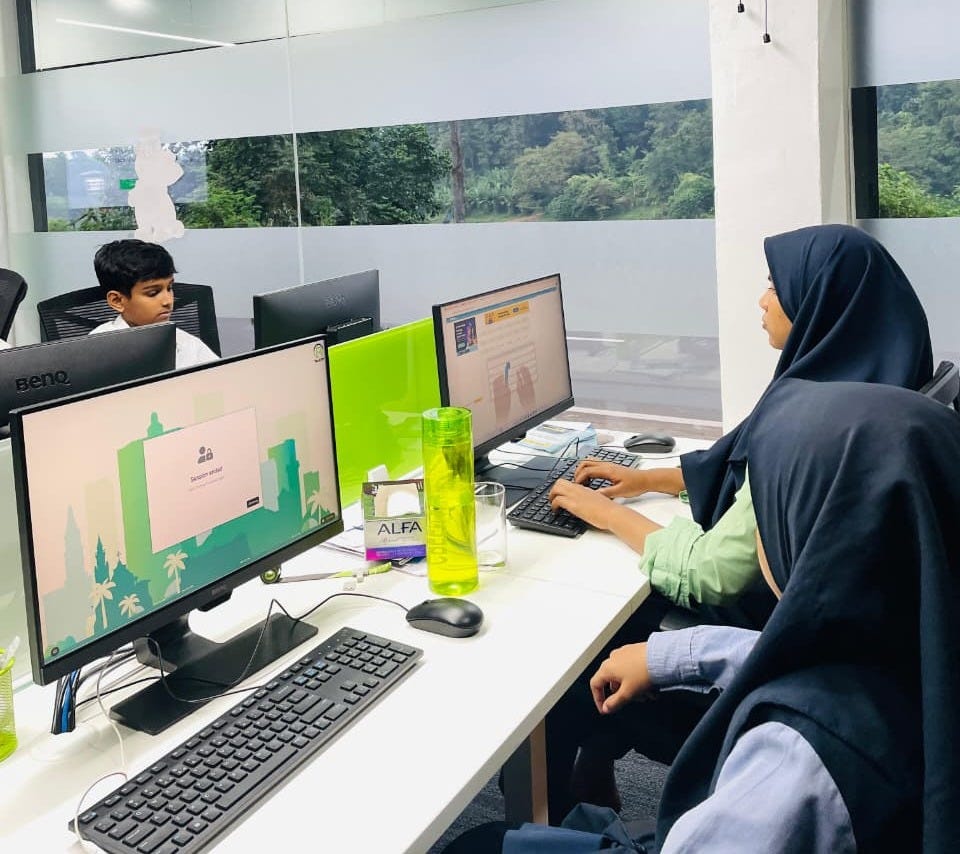
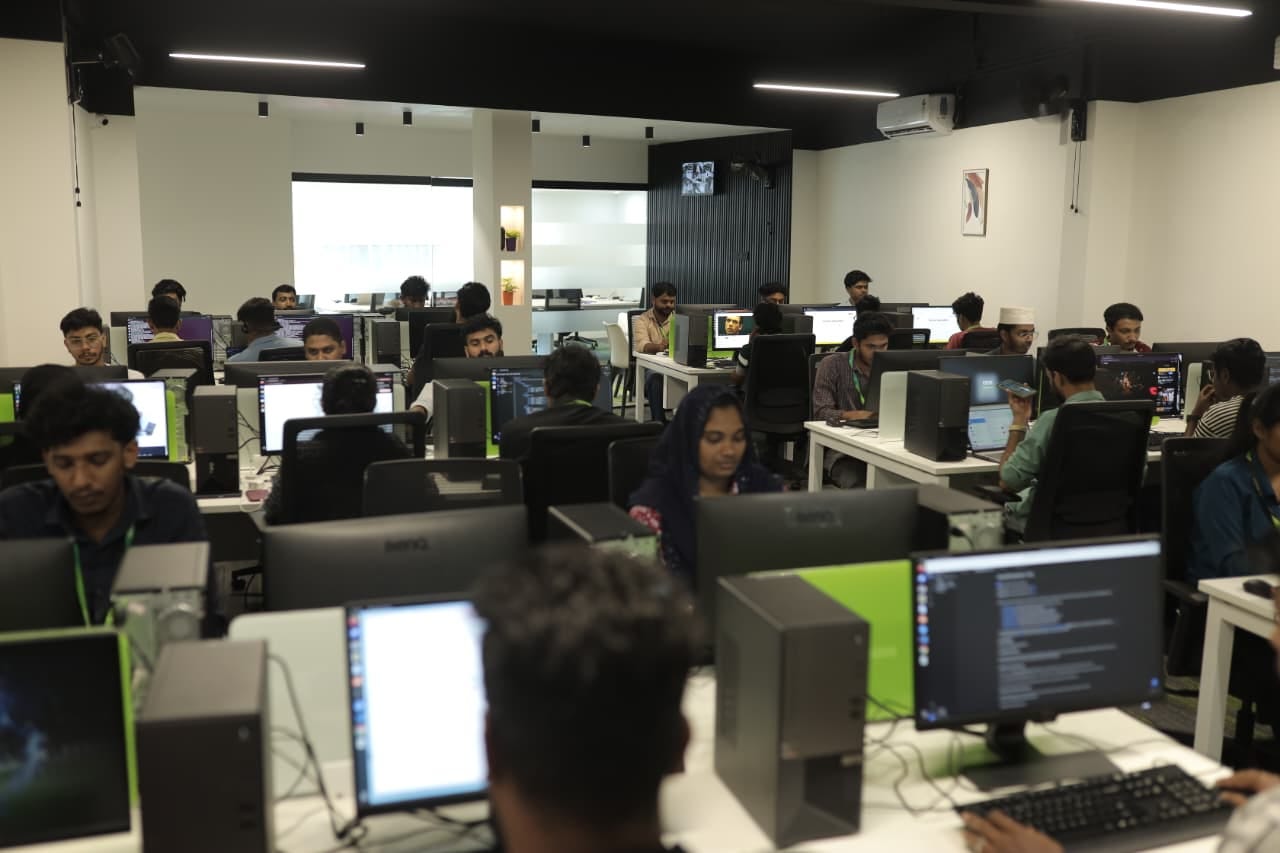
Talrop is converting 100 Village Parks across Kerala into full day Skill Development Hubs operating from 6.30 AM to 8.30 PM. These hubs are active every day and are designed as long term learning environments, not temporary classrooms or event based centres.
Each Village Park functions as a decentralised skill unit, collectively forming the largest distributed skill development network in the state.
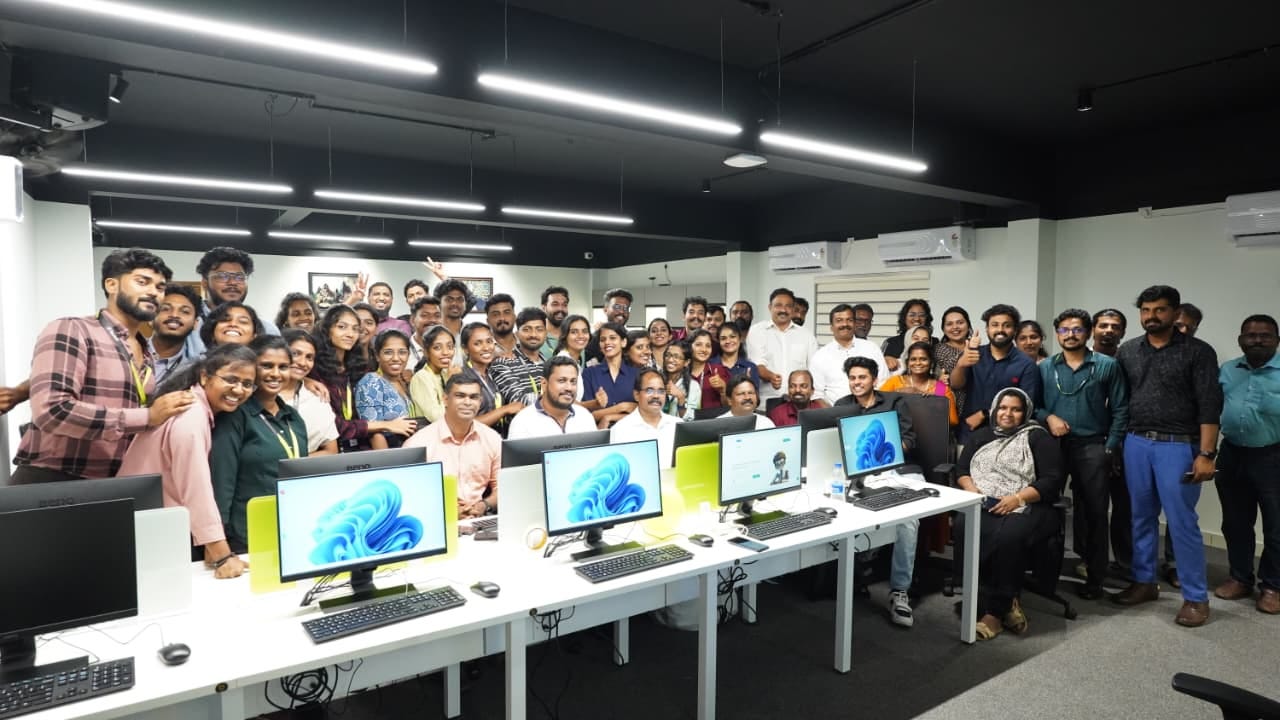
30 Plus Global Standard Skill Programs Under One Network
These hubs deliver more than 30 global standard skill programs across critical future facing domains. This includes artificial intelligence and emerging technologies, IT and next generation digital skills, healthcare and allied health skills, sales and business skills, design and creative technologies, soft skills and employability training, and industry specific vocational programs aligned with NSDC recognised domains.
The focus is not certification volume but capability depth and employability outcomes.
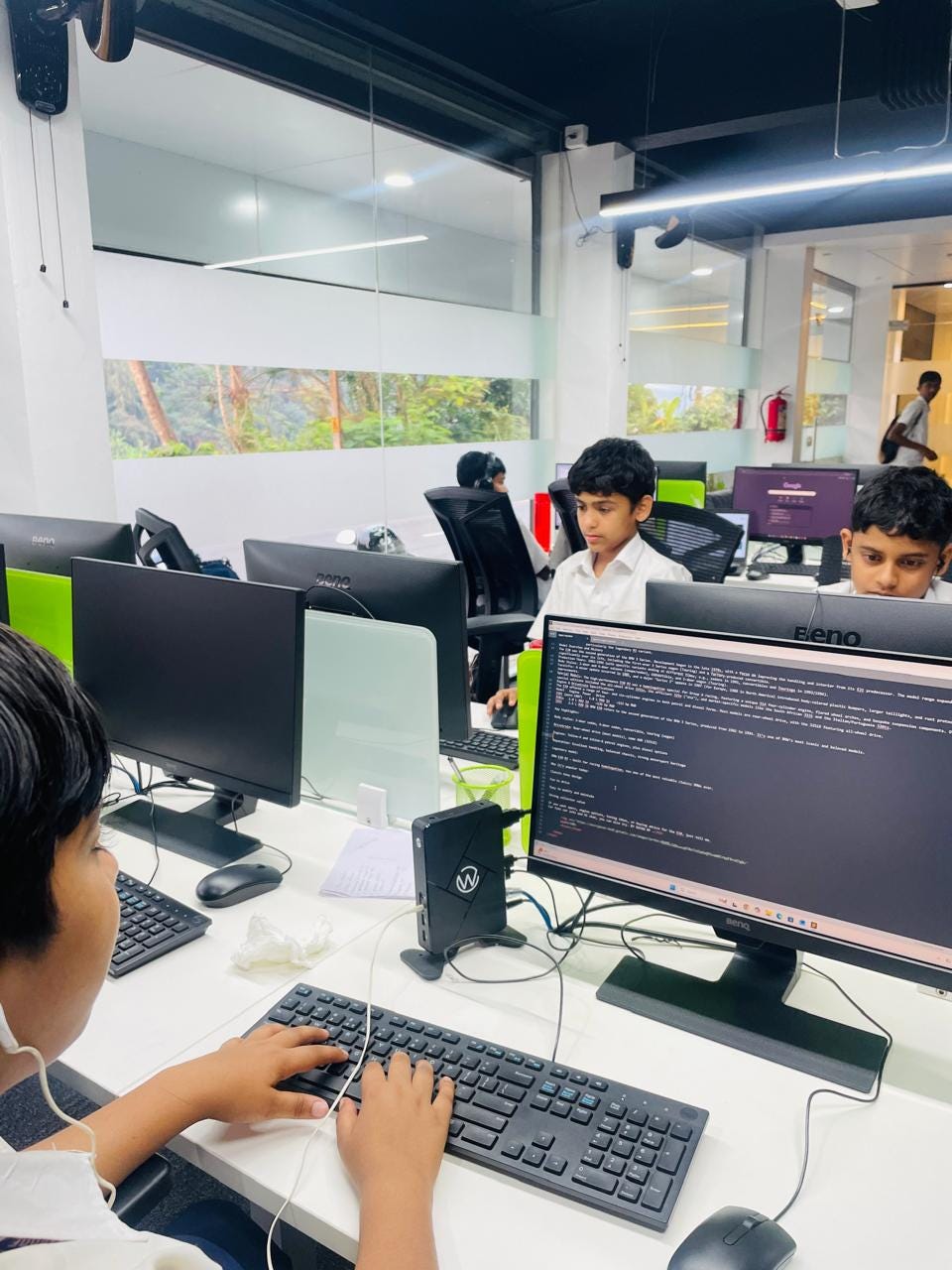
Learning Designed Around Real Life, Not Institutional Convenience
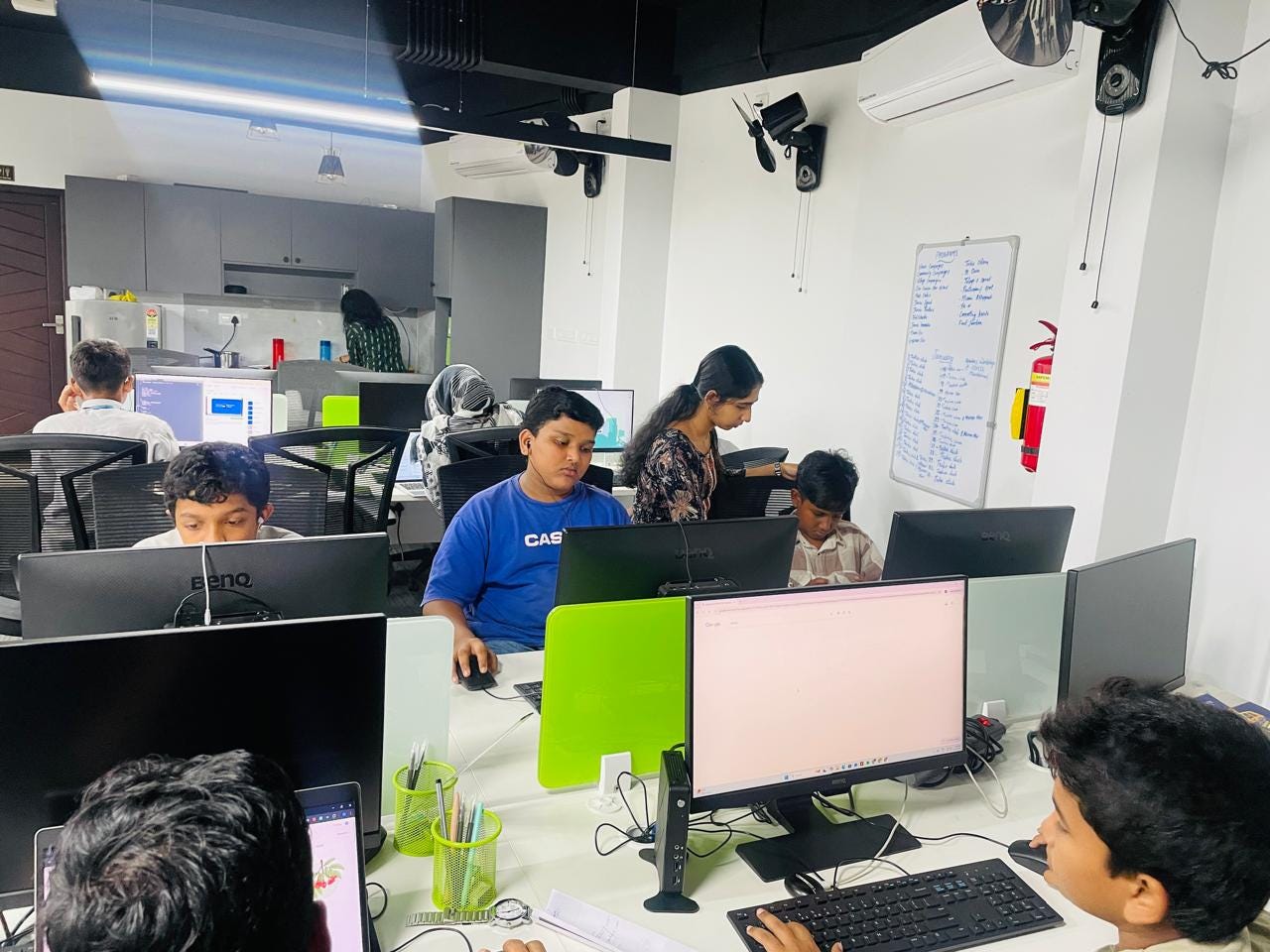
Each hub follows a flexible slot based learning model with 1 hour, 2 hour, and 3 hour formats. This structure allows school students, college students, graduates, working professionals, and reskilling candidates to participate without dropping out of education or employment.
Skill development adapts to people’s lives rather than forcing people to abandon their lives for access.
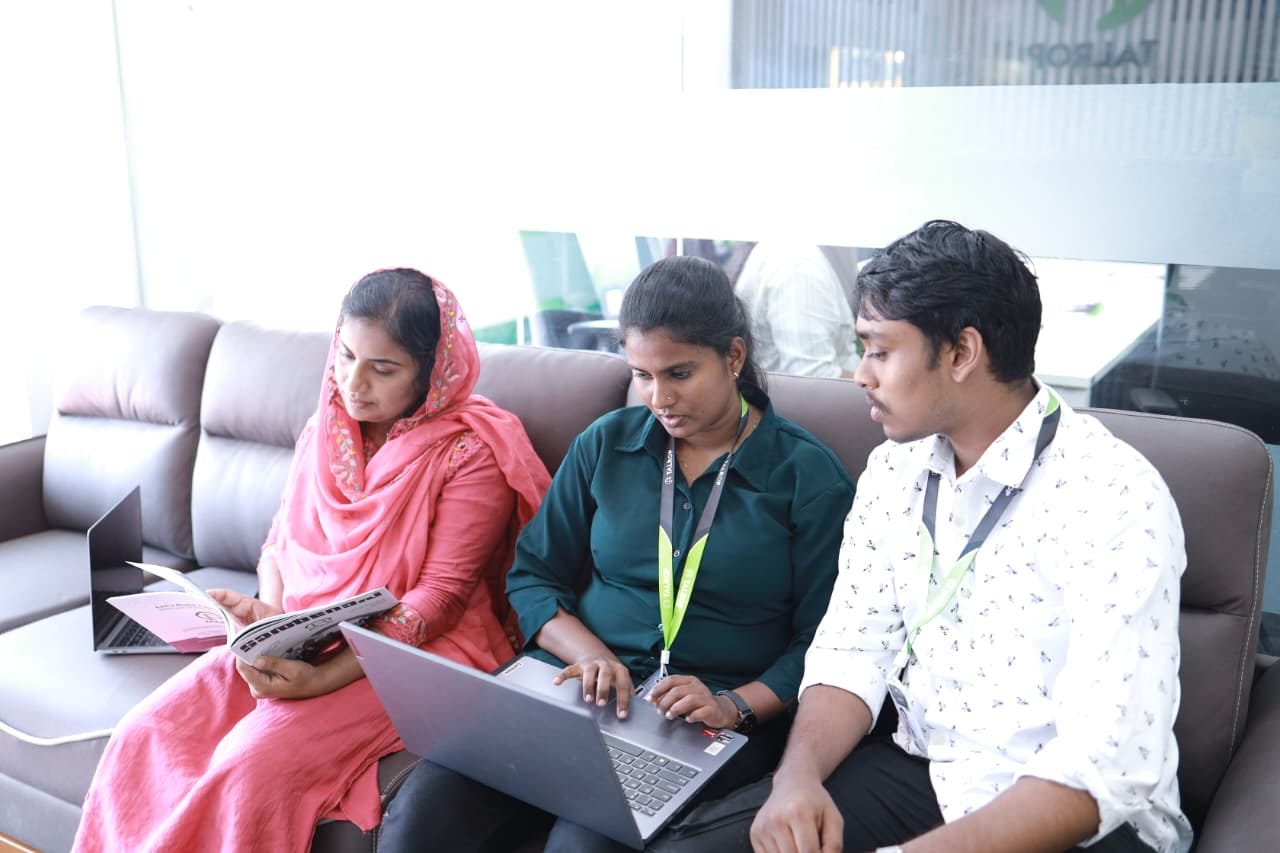
No Need to Leave Villages to Become Skilled
This infrastructure removes the long standing requirement to move to cities for quality skill development. Learners can access global standard programs within their own communities.
Villages are no longer talent sources that export people. They become centres that produce skilled professionals, employable youth, and industry ready talent.
Scale Built Into the System
Talrop offers access to 2,500 students per batch across the network, distributed as approximately 25 students per Village Park. Marketing, onboarding, student management, and operations are handled centrally, allowing academic partners to focus exclusively on quality delivery.
Both offline and hybrid models are supported, enabling consistent scale without compromising learning outcomes.
A Platform for Serious Skill Builders
Talrop’s internal ventures actively use this infrastructure, while external skill development organisations and domain experts are invited to deploy large scale programs. Entry is limited to partners capable of handling cohort sizes, maintaining quality, and delivering employment linked outcomes.
This is not a marketplace for casual training. It is a system for organisations serious about skill to income conversion.
Economic and Social Impact at Full Capacity
At full scale, this network targets an annual turnover of ₹125 crore, ensuring long term sustainability of Village Parks and continuous investment in local talent ecosystems.
Beyond revenue, the impact is structural. Reduced migration pressure, stronger local economies, industry aligned talent pipelines, and a workforce built where people live rather than where institutions are concentrated.
Villages as Skill and Talent Producers
Talrop’s Skill Development Hubs mark a fundamental shift. Villages are no longer passive recipients of development schemes. They become active producers of skilled talent, income generating professionals, and future ready careers.
This is infrastructure with intent, scale, and accountability. And it is being built now.