
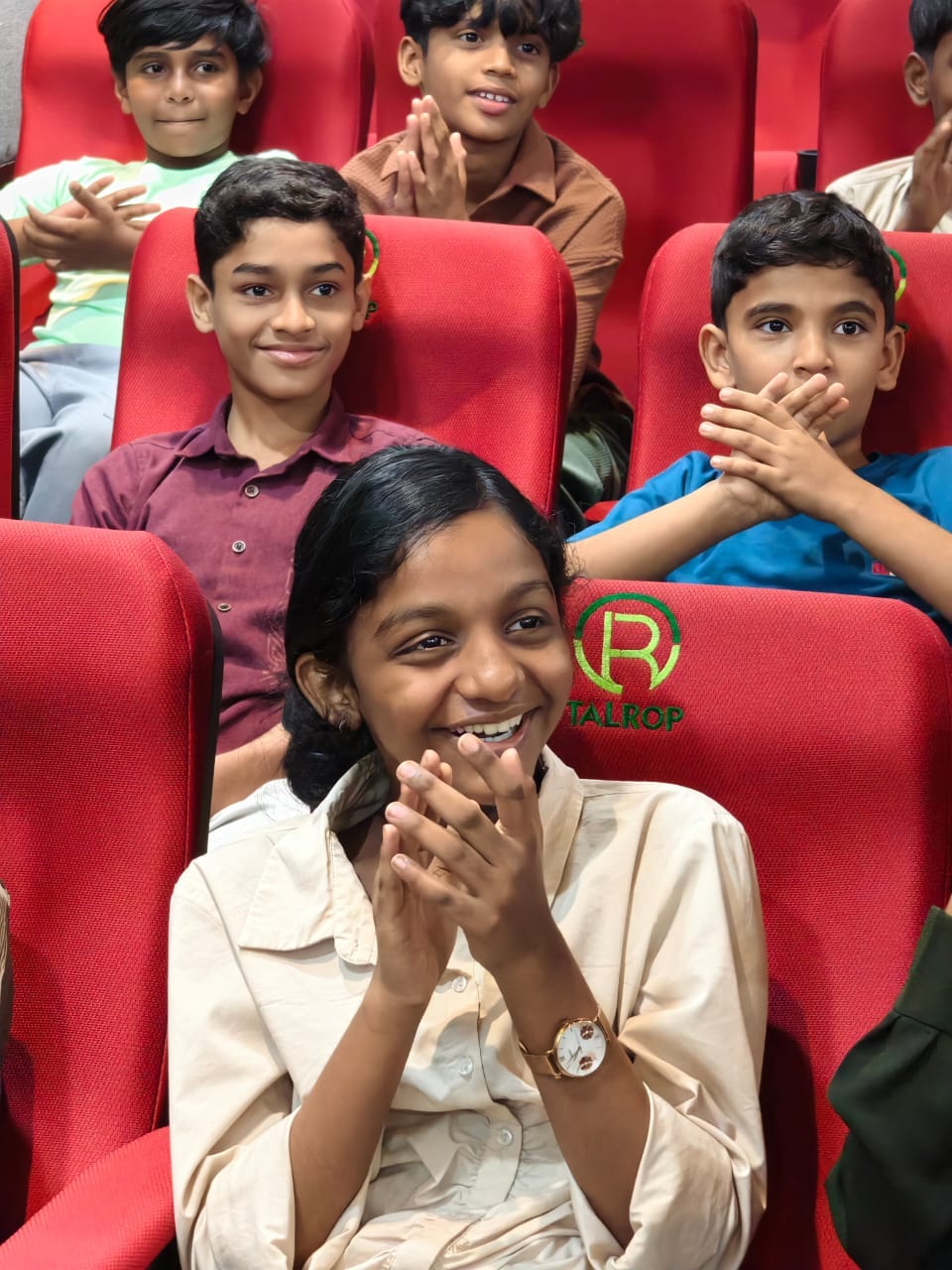
Traditional schooling often keeps students within the boundaries of textbooks and structured exams, leaving little room for the messy process of innovation. School vacations, therefore, represent a critical window of opportunity. Rather than just a break from studies, these periods should serve as a bridge to real-world application. Such events provide a low-pressure environment where curiosity isn’t just allowed, it’s the curriculum.
The JIP Holiday Camp at Kannur Techies Park was far more than a standard workshop; it was an intentional, high-touch gateway designed to bridge the gap between students and the world of innovation. By fostering a sense of belonging within the tech space and helping participants uncover their unique strengths, the camp transformed abstract concepts into tangible experiences of collaboration and creativity. This immersive approach not only built the trust and excitement necessary for students to commit to the full Junior Innovators Program but also established a successful, replicable two-day bootcamp model. Rooted in the philosophy that students should be active creators rather than passive listeners, this framework is now ready to be scaled across other districts to empower the next generation of thinkers.
Day 1: Stepping Into the World of Technology
Warming Up From Curiosity to Comfort
The first day opened with 23 students walking into Talrop’s IT space at Kannur Techies Park, some excited, some shy, many unsure what to expect. The opening sessions by Gemima and Ajmal introduced students to Talrop, the IT space, and the larger world of technology. To break the initial hesitation, the team ran games and icebreakers, helping students connect with the facilitators. By the time the 2050 Action Plan segment began, students were already willing to speak, share, and imagine.
Design & Animation: Creativity Meets Tech
After the initial sessions, Kiran took over the Design and Animation module. This was where abstract awareness turned into tangible creation. Instead of explaining design theory, the focus was on exposure and experimentation, showing students how ideas can be translated visually, how stories can be told frame by frame, and how design and animation sit at the heart of modern digital experiences.
Skill Analysis: Meeting Themselves for the First Time
One of the quiet but powerful segments of Day 1 was Skill Analysis, facilitated by Anirudh.
Students were encouraged to reflect on:
What they enjoy doing.
What comes naturally to them.
Where they struggle.
What kind of roles might fit into a team setting?
Prioritizing self-discovery as a prerequisite to technical exposure, the program enables students to identify their inherent strengths before engaging with complex fields like AI and VR. This reflective approach establishes a foundational understanding of personal potential, ensuring that future innovation is driven by internal clarity rather than external metrics.
The day ended with a film telecast, tying together entertainment and inspiration. It allowed students to wind down while still staying within the larger theme of creativity, storytelling, and imagination. By the close of Day 1, the atmosphere had shifted. Students who walked in as participants were now starting to feel like a community.
Day 2: Communication, Confidence, and Conversion
The Art of Communication: A Half-Day Transformation
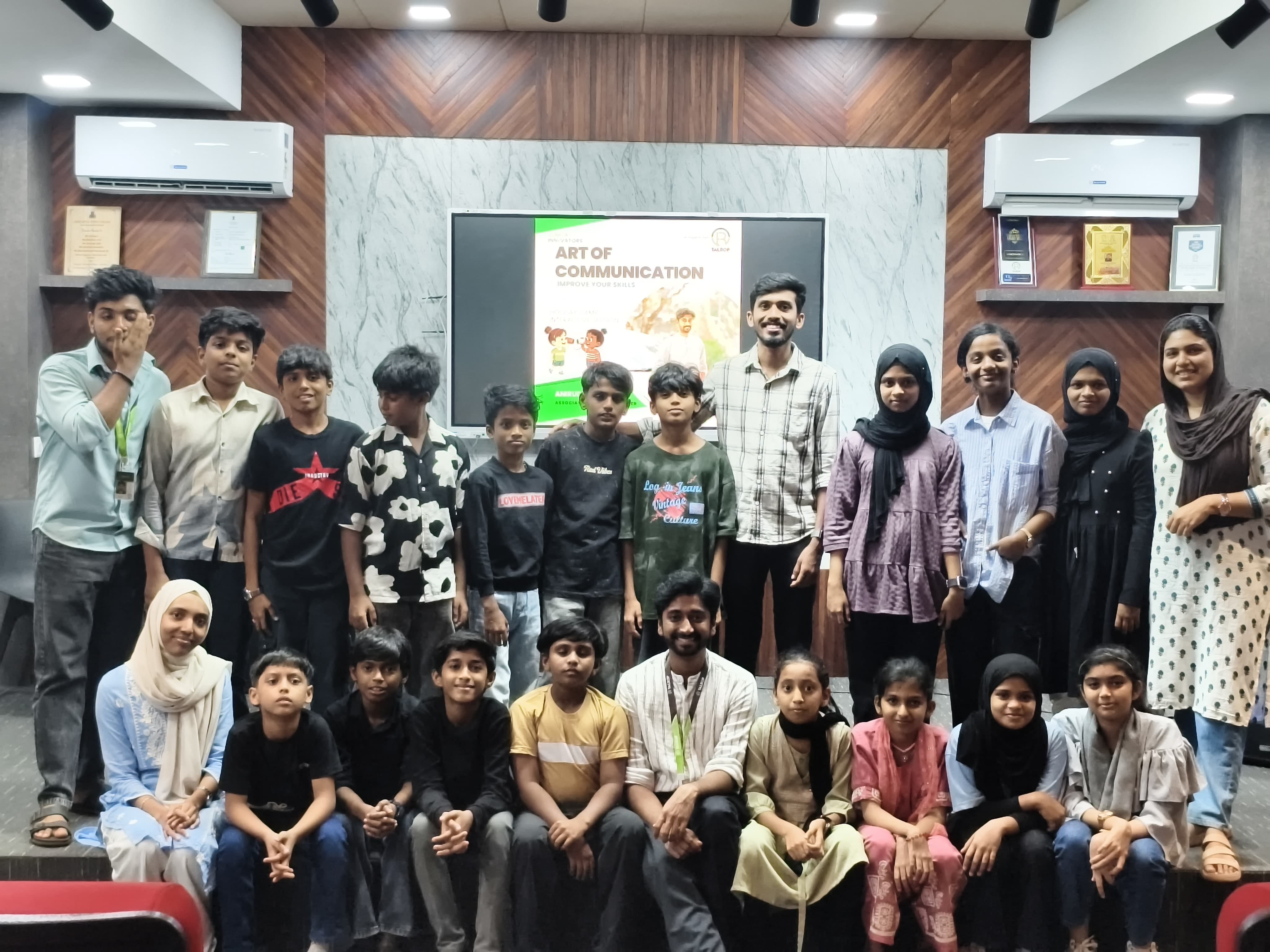
The heart of Day 2 was a half-day program on The Art of Communication, designed and executed by Anirudh.
Students were given opportunities to speak, share, perform small tasks, and receive real-time feedback in a safe environment. By integrating interactive activities and practical insights, the session redefined communication as a core competency for leadership and innovation rather than a mere secondary skill. Through low-risk interactions in a supportive environment, students were empowered to overcome stage fright, articulate ideas with clarity, and practice the essential arts of active listening and thoughtful collaboration. This experiential approach ensured that participants cultivated the foundational interpersonal tools necessary to drive their future creative and technical endeavors.
VR Experience: Touching the Future
The VR experience was a highlight of the camp. For students, stepping into virtual environments and exploring immersive digital spaces made the future of technology feel immediate and real. Beyond its initial novelty, the Virtual Reality (VR) component served as a strategic demonstration of emerging technological trajectories. By providing a tangible link to the future of the industry, the experience was designed to shift the students’ perspective, moving them from passive consumers of technology to the future architects and creators of the digital landscape.
Idea Round: From Thoughts to Pitches
The Idea Round, led by Anirudh and Gemima, brought everything together.
The students’ first pitching experience provided facilitators with a clear insight into the raw potential present in the room. Students were encouraged to think, frame, and share ideas, no matter how small or rough. This round:
Showed them that ideas matter, even in early form.
Taught them to listen to peers’ ideas respectfully.
Introduced them to the basics of presenting an idea in front of others.
If Day 1 was about opening doors, Day 2 was about walking through them with confidence.
A Team That Took Ownership
One of the most important stories of this camp lives behind the visible sessions. The overall coordination of the two-day event was led by Gemima, Ajmal, Avinash, and Anirudh, with vital operational support provided by Muthar and Rinsha from the School of Startup, showcasing the significant impact of peer-driven contributions. Additionally, Ecosystem Strategist Jishnu managed all photography and on-ground logistics, ensuring seamless execution and the comprehensive documentation of the program’s key milestones.
The working model was clear: leadership was present for mentoring and guidance, but execution was driven by a young team that took self-ownership. This camp was not just a student success story; it was also a case study in how internal teams can rise to the occasion when given trust and responsibility. Gemima, in particular, went the extra mile in coordination and facilitation, becoming one of the key anchors of the entire experience.
The event served as a brilliant launchpad for the next generation of visionaries, acting as a high-energy lab where curiosity met opportunity; it stands as a glowing testament to the fact that when we empower a dedicated team to inspire young minds, we don’t just teach technology, we ignite a lifelong belief in their own limitless potential to shape the world.
This model is poised to travel across districts, carrying with it the same promise: to help every student who walks into a Techies Park see that the future of technology is not something to fear, but something they can actively shape.