

An Ecosystem Proven Beyond Expansion
Talrop was never built only to launch ventures or develop large scale real estate. From its foundation, the ecosystem was designed to sustain complex systems, scale them with discipline, and restore them when execution weakens. Growth without recovery capability is not strength. It is exposure.
Any ecosystem that functions only under favourable conditions is structurally incomplete. Talrop was structured with the assumption that cycles will turn, pressure will rise, and systems will be tested.
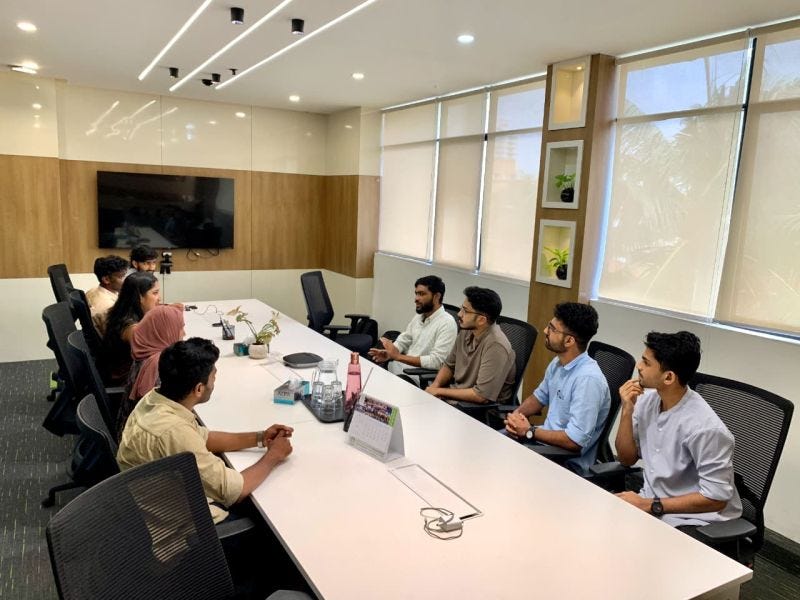
Why Crisis Capability Matters
Most ventures fail not because they lack ideas, capital, or ambition, but because they lack structured recovery mechanisms. When operations weaken, when execution slows, when legal or financial complexity compounds, there is rarely a coordinated engine capable of restoring order.
Talrop was architected to work across governments, corporates, global ventures, and complex real estate developments. The same depth of structure, discipline, and execution that drives growth can also be deployed to stabilise and revive distressed projects.

Opening the Crisis Mode
Talrop is now opening its ecosystem in crisis mode.
This is not advisory support or surface level consulting. This is an execution driven recovery framework designed for ventures with the capacity to scale and assets worth preserving.
Eligible ventures must demonstrate the potential to generate one hundred crore rupees in annual turnover. Eligible real estate projects must hold an asset value of fifty crore rupees or more. These thresholds exist for a reason. Crisis recovery at this scale requires depth, capital discipline, and systemic coordination.
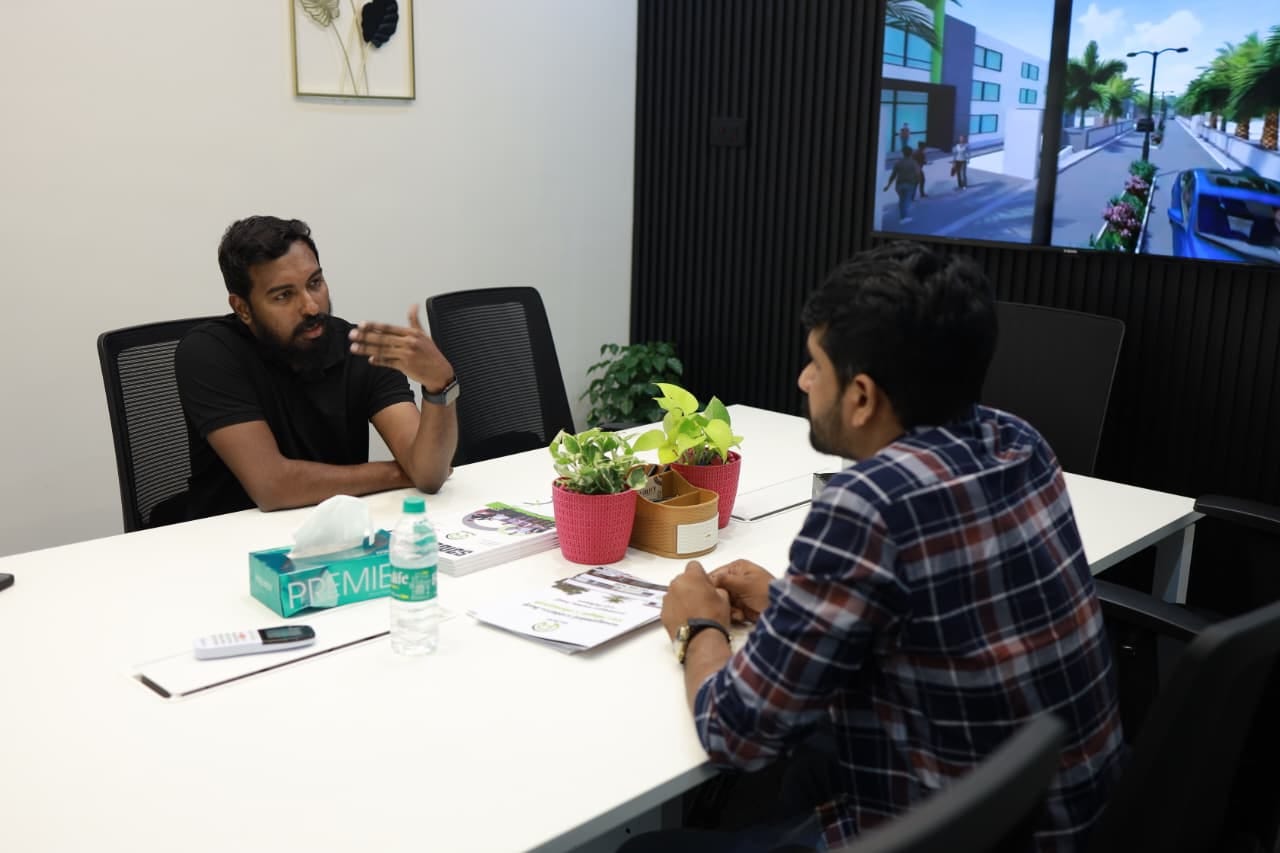
What the Recovery Engine Delivers
The intervention is comprehensive and outcome focused.
It includes investor management and structured onboarding of new investors. It addresses legal and compliance complexity. It restructures operations through Talrop’s fourteen integrated service companies. It rebuilds technology architecture and execution layers. It deploys targeted PR and marketing interventions. It opens access to global markets and distribution channels.
The objective is not cosmetic repair. The objective is to restore structure where it has weakened, establish clarity where direction is lost, and restart execution where momentum has stalled.
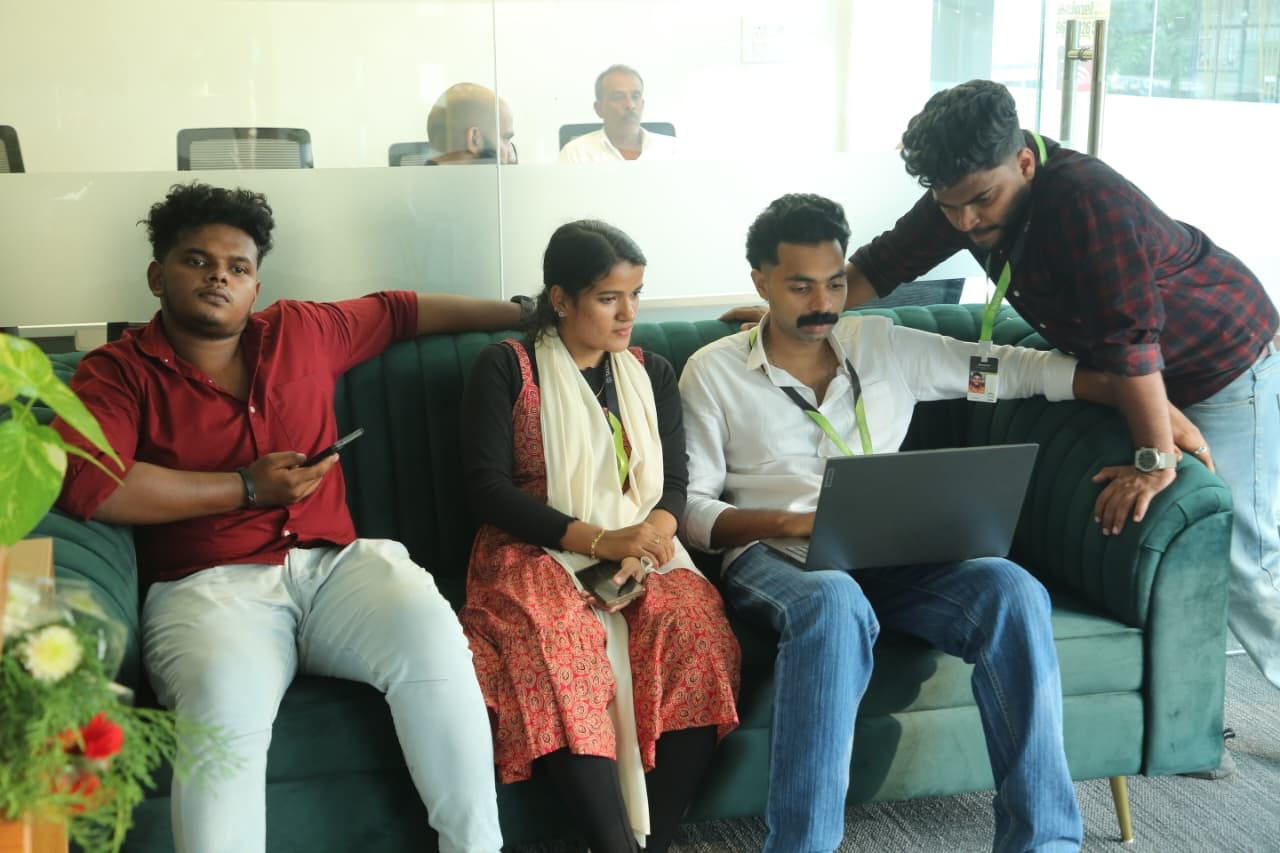
A System Designed for Reality
Most ecosystems collapse the moment conditions turn hostile. They are optimised for optimism, not adversity. They depend on momentum, not structure. When capital tightens, governance weakens, or execution fragments, they have no internal muscle to respond. That is when ventures stagnate, assets erode, and value quietly disappears.
Talrop was built with a different assumption. That cycles will turn. That growth will pause. That pressure will expose weak architecture. Crisis is not an exception to the system. It is a test of whether the system was ever real.
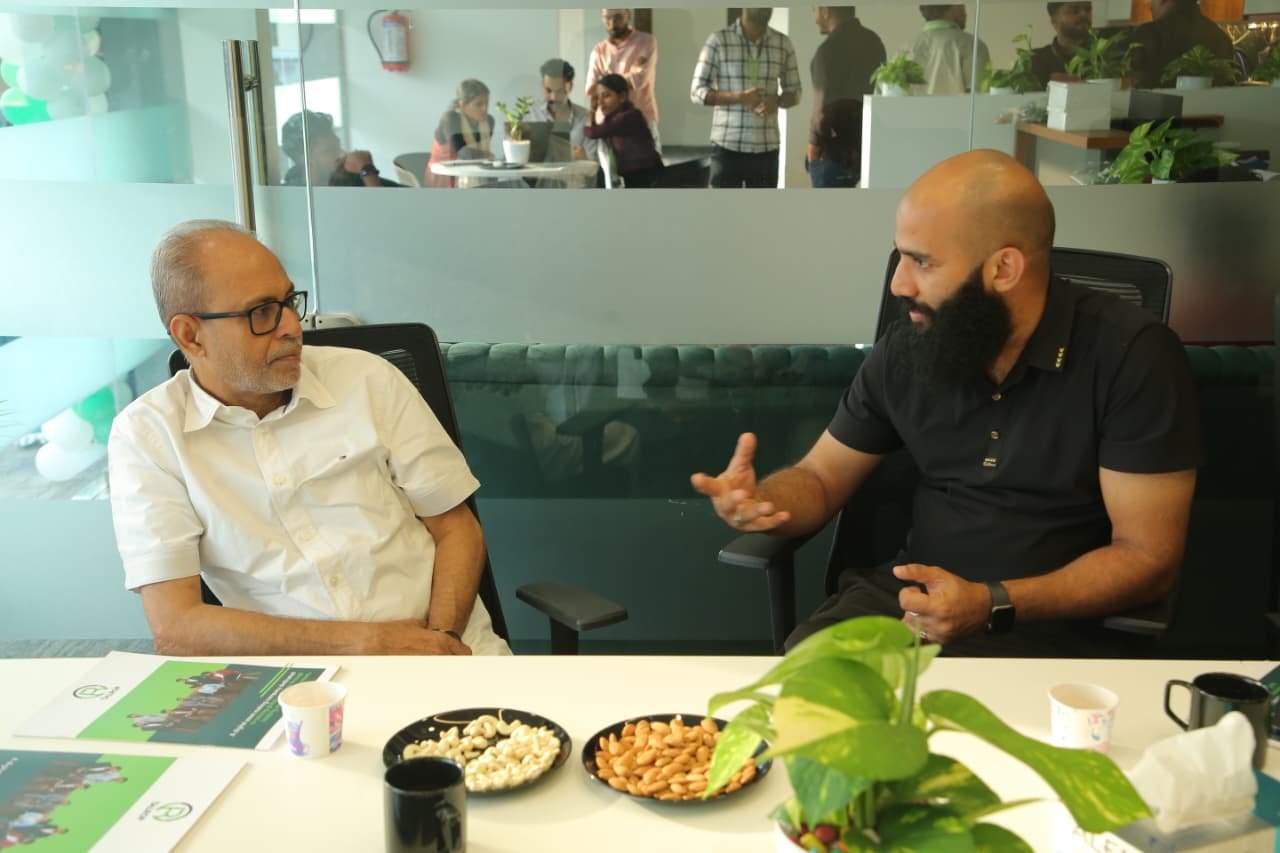
This is why Talrop operates in three modes operations, growth, and crisis. Crisis mode is not an emergency response. It is a deliberate, engineered capability designed to impose order, restore discipline, and re enable execution under stress.
By opening this mode, Talrop is not offering rescue. It is offering structure to those who still have substance, assets, and the willingness to rebuild with clarity and rigour. For ventures and real estate projects that retain real economic potential but require a decisive recovery engine, the ecosystem is now open.
Because in the real world, the organisations that endure are not the ones that grow fastest, but the ones that are built to recover when growth breaks.
Survival Is Engineered
Talrop’s decision to open its ecosystem for crisis recovery is a statement about how serious economic systems must be built. Growth is temporary. Cycles are inevitable. Long term relevance belongs to those who can restore order when complexity overwhelms execution.
This is not an invitation to be saved. It is a framework for those who understand that survival is not accidental. It is engineered.